

Very few things are certain in the game of poker, but one of them is this: If you want to make it in live or online poker, you have to master the art of deception. In other words, you have to learn how to bluff in poker. That’s because poker is a game of limited information. Players base their actions not on certainty but on probability — not just the probability of connecting with the board to build the strongest hand, but also the probability of correctly calling and interpreting other players’ actions and reactions to the situation playing out on the table.
It’s a major advantage to get an opponent to perceive your hand to be something other than what it really is, and bluffing is the only way to achieve this. It isn’t necessarily easy to acquire this vital skill, and it can be difficult to know exactly when to bluff in poker, so here are some strategic pointers to guide you on your way. Let’s take a closer look.
Pure Bluffing in Poker
There are two major types of poker bluffs. The first is the pure poker bluff. This is when your hand has no chance of being the strongest hand, but you make a play in any case to induce an opponent to fold. The best way to achieve this is to put them under pressure with sheer poker aggression, typically by raising them out of their comfort zone.
The simplest example, straight out of a poker bluff guide for beginners, is stealing the blinds. Against the right opponents, if nobody has raised before the flop (indicating a general lack of interest in the hand) and the action checks to you, a simple raise can be enough to get the other players to fold no matter your hole cards. This is poker bluffing in its simplest form.
Most of the time, however, bluffing is more complicated than that. Basically, you want to try to influence your opponents into making decisions in your favor by representing your hand in a certain way. In many cases, you’ll try to represent a strong hand.
Say you’re on the button and you raise before the flop. This action already shows confidence. Then the flop comes, you’re in position, and you make a continuation bet. If your opponents aren’t holding anything special, this may already be enough to make them fold. Realistically, they won’t have anything most of the time. After all, they only have a one-in-three chance of flopping a pair, let alone anything more powerful. Unless they call your bluff, you’ll have them where you want them.
Another strategy for bluffing in poker that often succeeds is to double barrel (make a continuation bet) when scare cards turn up on the board. These are any cards that are likely to make your opponents nervous. Say the flop comes 7-4-2 rainbow. This is a dry board that’s very hard to connect with. Then the turn brings an ace, another rainbow card. This is a very scary card for any player who doesn’t have an ace in the hole. So you make a c-bet (continuation bet) to represent strength and, hopefully, your opponents fold.
A similar high-pressure move in Texas Hold’em bluffing is to check-raise all-in on the turn. Tight opponents who prefer to avoid showdown – unless they have strong hands – are likely to melt under this kind of heat.
Semi-Bluffing in Poker
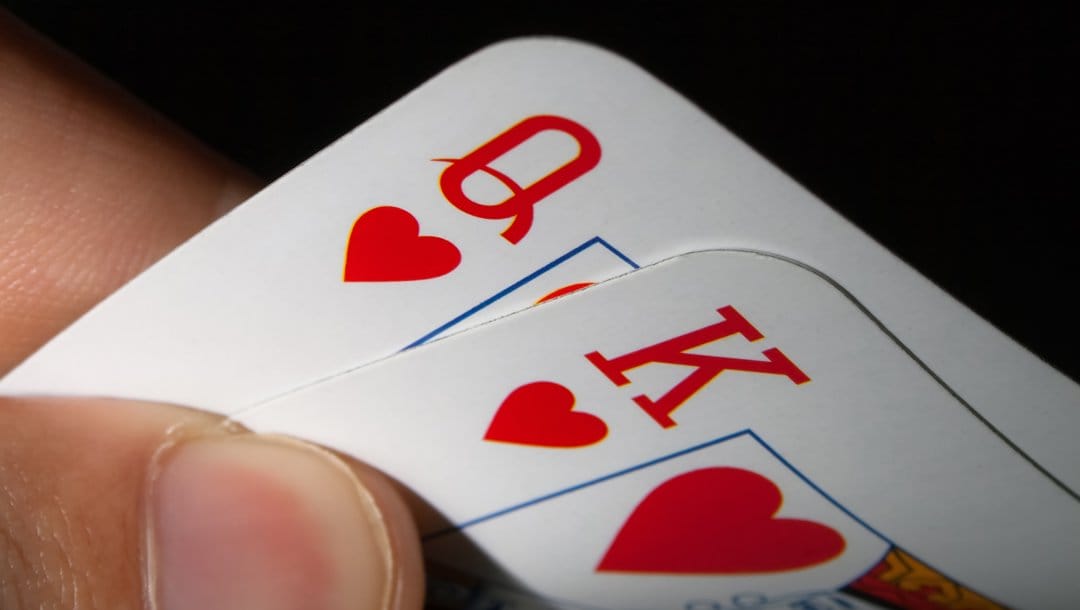
Pure bluffing is risky. It only works against some opponents. Other players will call your bluff and you’ll be left with nothing. A less risky strategy is the semi-bluff in poker. This is when you bluff with a hand that’s worth nothing but that could — with a bit of luck — develop into a winning hand on later streets. A semi-bluff in poker is similar to soft doubling down in blackjack, where you double down with ace-3 against the dealer’s 6 in hopes that the dealer will go bust, but with a chance to win if they don’t.
As an example of how to semi-bluff in poker, after the flop, you have two overcards or the potential to draw a straight or flush. In this situation, it makes sense to call on the flop and bet on the turn. Players with weak holdings are likely to fold, and there’s always the chance you’ll make a high pair or hit the draw if your opponent calls. With the same kind of equity, you can also bluff-raise the turn. If someone bets the flop and the turn, you can raise them back. Unless they have a very strong hand, they will probably fold rather than go to showdown.
What if you bluff-raise the turn and miss your draw on the river? Simply play in a manner that’s consistent with hitting the draw. In other words, maintain your bluff until the end. For this to succeed, you need to be telling a credible story. Your hand representation needs to be legitimate, and the hit cards on the board must be in your range.
Sizing Up Your Opponents
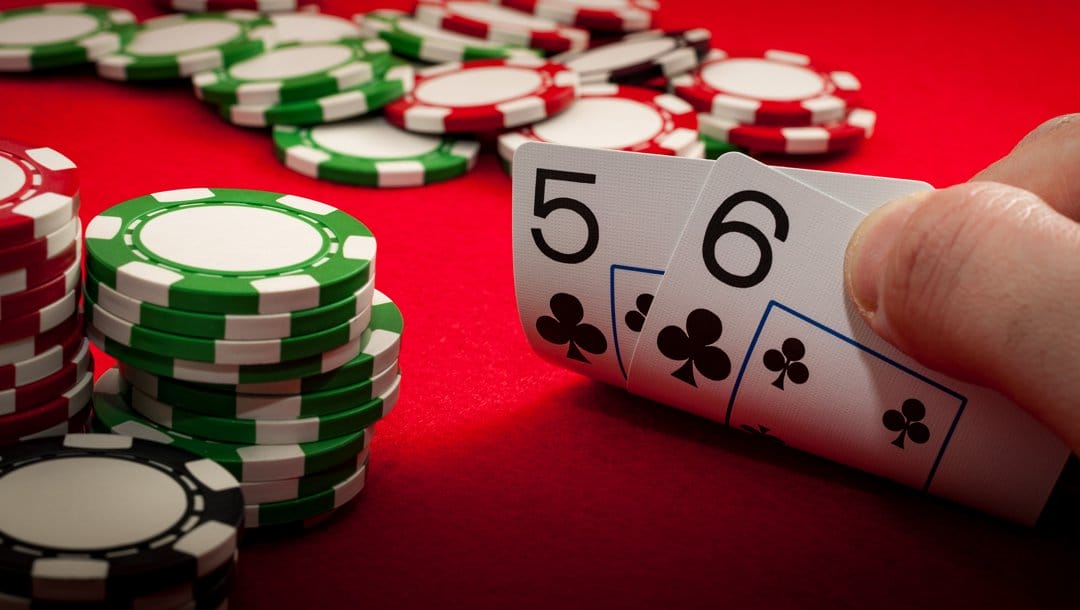
Even an expert bluffer can miss the mark against the wrong type of player. A good opponent to bluff is your standard tight player or nit. That’s the type of player who rarely bets, raises or calls unless they’re holding value. Represent strength plausibly, and watch the nits fold under the pressure. Be careful, though; nits tend to have some degree of poker hand reading skill, so you can expect them to call your bluff if your story isn’t believable or if you exhibit common poker tells.
By contrast, calling stations (players who prefer to continue in most hands, come what may) usually lack hand-reading ability and only play their cards. It’s a complete waste of time to bluff them with complex poker tactics or poker psychology, so just widen your value range and play straight poker. The same goes when you’re up against loose-passive poker players.
Representation against aggressive maniacs is also often wasted effort, as their strategy ultimately depends on fold equity (their opponents’ tendency to fold), just like most poker bluffs. But you may be able to turn their aggression against them if you can recognize and take advantage of poker tells. If you think a maniac is weak-handed, let them build the pot, then represent strength on the turn and take it down.
The most challenging opponents to bluff against are your loose-aggressive (LAG) players who can read hands well, chase small pots, and only go after big pots if they have equity. Beware of the elusive bluff catcher, too. As a result, in addition to representing strength to steal small pots, you’ll want to represent weakness so as to bluff them into building larger pots. LAGs will test your bluffing skills to the limit, but if you succeed against them, you’ll be well on your way to mastering advanced bluffing strategy.
Raise Your Online Poker Game at BetMGM
Ready to hone your own poker bluffing strategy? If you are, make sure you’re well-versed in common online poker tells and prepare your moves against various types of players. Register to play poker with real money at BetMGM to test and improve your skills against online poker players of all skill levels.
BetMGM’s premium poker site lets you join cash games and online poker tournaments, including Sit & Go and multi-table formats, on your device of choice, anywhere you choose to play. Night or day, you’ll find top-rated poker action at BetMGM, and don’t forget to use an online poker welcome bonus to maximize your initial deposit.
Level up your online poker game with the knowledge of how to bluff like a pro. Read on for tips on deceiving your opponents into folding in your favor.